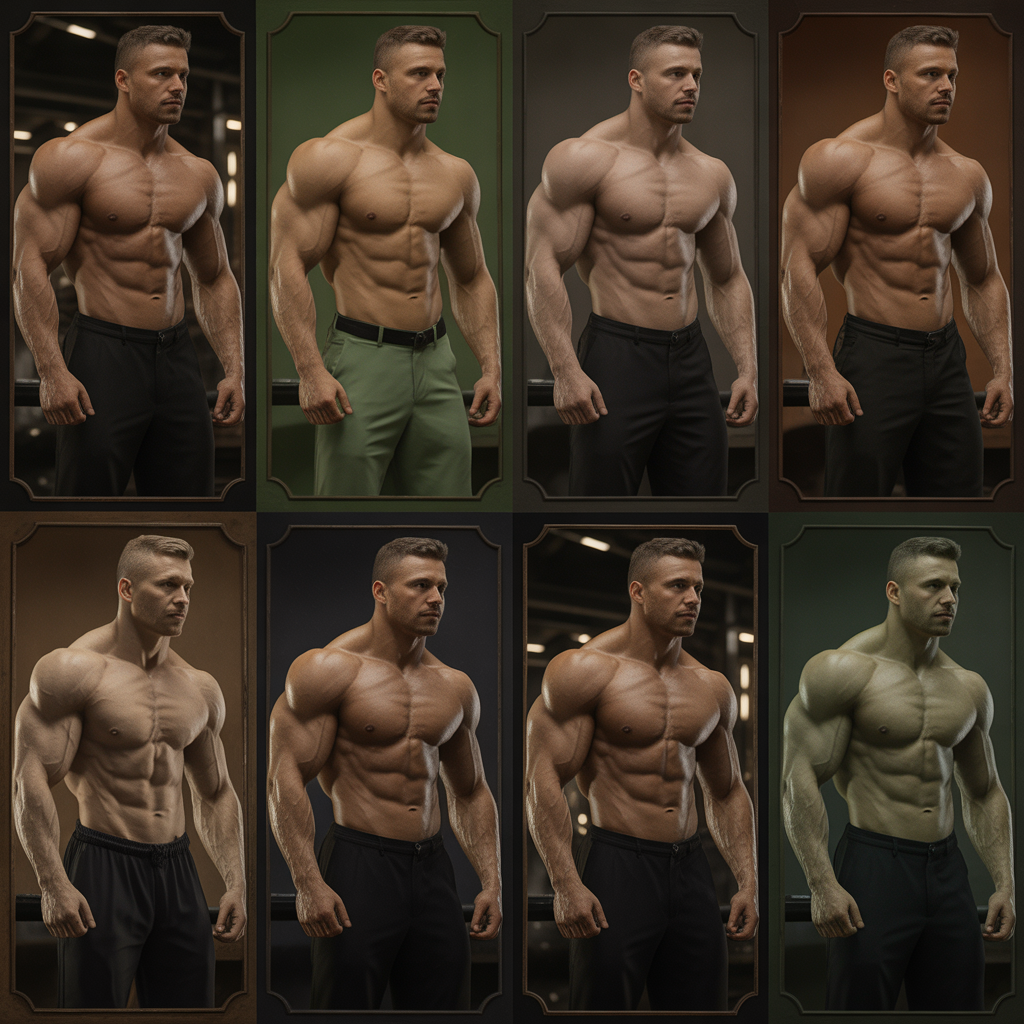
Welcome to the future of bodybuilding, where science meets iron and evidence-based training replaces guesswork. Modern bodybuilding isn't about lifting the heaviest weight possible or spending endless hours in the gym—it's about training intelligently, recovering strategically, and maximizing every rep for optimal muscle growth.
The evolution of bodybuilding has been nothing short of revolutionary. Gone are the days when success was measured solely by how much iron you could move. Today's bodybuilders understand that muscle hypertrophy is a complex physiological process influenced by training volume, intensity, mechanical tension, metabolic stress, and recovery—all backed by peer-reviewed research and decades of accumulated knowledge from the world's top strength scientists.
Recent studies published in journals like the Journal of Strength and Conditioning Research have shattered old myths, revealing that muscle growth occurs across a surprisingly broad rep range—from as low as 5 reps to as high as 30 reps per set. What truly matters isn't hitting a magic number, but rather achieving quality sets performed close to muscular failure with proper form and adequate recovery between sessions.
Progressive overload remains the cornerstone of muscle development, but modern approaches like the 2-2-2 rule have refined how we implement it. This systematic method ensures steady, injury-free progress by increasing training demands only when your body has genuinely adapted, preventing the common pitfalls of overtraining and plateau that derail so many ambitious lifters.
Key Research Insight: A 2021 meta-analysis found that training volume (total sets per muscle group per week) is the primary driver of hypertrophy, with optimal ranges between 10-20 sets depending on training experience and recovery capacity.
Training volume, intensity, and frequency optimized through scientific research, not outdated bro-science
Hypertrophy across 5-30 reps when sets are taken close to failure with proper form
The 2-2-2 rule ensures injury-free progression by adding load only when truly ready
Training splits have evolved dramatically from the classic "chest on Monday" mentality. While the traditional bro split—dedicating one day per week to each major muscle group—built legendary physiques in the golden era, modern periodization and recovery science have refined these approaches into sophisticated systems that optimize both training frequency and recovery.
The advanced 5-day split represents the sweet spot for intermediate to advanced lifters seeking maximum hypertrophy. By strategically sequencing muscle groups throughout the week—shoulders on Monday, arms on Tuesday, legs on Wednesday, back on Thursday, and chest on Friday—you create optimal spacing that allows each muscle group to recover fully while maintaining high training frequency. This approach, popularized by resources like Muscle & Strength, has been validated by countless successful transformations.
What separates modern splits from their predecessors is the strategic incorporation of periodized training techniques. For example, supersetting compound movements with isolation exercises every third week creates novel stimuli that prevent adaptation plateaus. When you pair barbell bench press with cable flyes, or deadlifts with hamstring curls, you're not just saving time—you're creating metabolic stress that amplifies the hypertrophic response beyond what either exercise could achieve alone.
Arnold Schwarzenegger's legendary double-split routines remain foundational blueprints, but today's champions enhance these templates with modern periodization principles. By cycling between strength phases (3-6 reps), hypertrophy phases (8-12 reps), and metabolic phases (15-20 reps) every 4-6 weeks, you stimulate multiple pathways of muscle growth while preventing both physical and mental burnout.
Overhead press, lateral raises, rear delt work—build those boulder delts with multi-angle stimulation
Biceps and triceps isolation for peak contraction and maximum pump—the day arms take center stage
Squats, lunges, leg extensions, hamstring curls—comprehensive lower body development
Pull-ups, rows, deadlifts—build thickness and width with compound and isolation movements
Bench press variations, flyes, push-ups—finish the week with a powerful chest session
Progressive overload is the non-negotiable principle of muscle growth—your muscles adapt to stress, so you must continually increase that stress to force continued adaptation. However, how you progress makes all the difference between steady gains and frustrating plateaus or, worse, injury. The 2-2-2 Rule is an elegantly simple yet remarkably effective framework that takes the guesswork out of progression.
Here's how it works: Increase the weight only after you've completed 2 extra reps beyond your target for 2 sets in 2 consecutive training sessions. This systematic approach ensures your body has genuinely adapted to the current load before adding more stress. It prevents the common mistake of adding weight prematurely based on ego or impatience, which often leads to form breakdown and injury.
Let's walk through a practical example with the bench press. Suppose your program calls for 3 sets of 8 reps with 185 pounds. Once you can complete 10 reps (2 extra) for at least 2 of your 3 sets for two workouts in a row, you've earned the right to increase the weight to 190 or 195 pounds. Then you start the cycle again, working back up to 10 reps before the next increase.
This method is universally applicable—whether you're performing compound movements like squats and deadlifts or isolation exercises like bicep curls and lateral raises. The beauty lies in its adaptability: beginners might progress every 1-2 weeks, while advanced lifters might take 3-4 weeks to earn their next progression. Both are making optimal progress for their training age.
Choose your target weight and rep range (e.g., 3 sets × 8 reps at 185 lbs)
Work toward completing 10 reps (2 extra) for at least 2 sets
Achieve the same performance (10 reps × 2 sets) in your next session
Add 5-10 lbs and return to your original target of 8 reps
"Progressive overload isn't about adding weight every single workout—it's about adding weight at the right time. The 2-2-2 Rule ensures you're always progressing without ever compromising form or risking injury."
Once you've mastered the fundamentals and built a solid foundation of strength and muscle mass, advanced training techniques become powerful tools to break through plateaus and stimulate new growth. These methods aren't for beginners—they require excellent form, body awareness, and a well-developed work capacity. But when applied strategically, they can unlock levels of development that straight sets alone cannot achieve.
Lifting near-maximal loads (90-100% of 1RM) for 1-3 reps to develop maximal strength and neural adaptations. This method builds the foundation of raw power but must be used sparingly—typically once per week per movement pattern—to avoid central nervous system fatigue and injury. Reserve this for your main compound lifts like squats, deadlifts, and bench press.
Lifting lighter loads (50-70% of 1RM) with maximal speed and explosive intent to improve rate of force development and power output. This technique, popularized by Westside Barbell, trains your nervous system to recruit muscle fibers rapidly. Perfect for Olympic lift variations, jump squats, and speed bench press performed with short rest periods.
Perform a set to near-failure, rest 10-20 seconds, then squeeze out additional reps—repeat 2-3 times. This technique allows you to accumulate more total reps at a challenging weight than a straight set would permit, creating exceptional metabolic stress and muscle damage. Ideal for isolation exercises like leg extensions, cable flyes, and bicep curls.
Similar to rest-pause but with heavier loads—perform 2-3 reps, rest 10-30 seconds, repeat for 5-6 clusters. This allows you to maintain higher intensity throughout the set compared to straight sets, accumulating quality volume with minimal form breakdown. Excellent for compound movements where maintaining technique is crucial.
Giant sets involve chaining 4 or more exercises for the same muscle group with minimal rest, creating an intense metabolic environment that pushes muscles far beyond normal fatigue limits. For example, a chest giant set might include barbell bench press, incline dumbbell press, cable flyes, and push-ups performed back-to-back.
Supersets pair two exercises—either for opposing muscle groups (antagonistic supersets like biceps and triceps) or the same muscle group (compound followed by isolation). This technique not only saves time but also boosts training density and metabolic stress.
Important Safety Note: Advanced techniques significantly increase training stress and fatigue. Implement them strategically—typically for 3-4 week blocks followed by a deload week. Never use multiple advanced techniques simultaneously, and always prioritize proper form over chasing intensity.
Traditional bodybuilding has long prioritized aesthetics above all else, sometimes at the expense of mobility, joint health, and athletic performance. Functional bodybuilding represents a paradigm shift—a training philosophy that refuses to compromise between looking impressive and moving impressively. Developed and popularized by coaches at Functional-Bodybuilding.com and embraced by CrossFit athletes and hybrid athletes worldwide, this approach integrates the muscle-building principles of bodybuilding with the movement quality and performance demands of functional fitness.
The core philosophy centers on three pillars: aesthetics, athleticism, and longevity. Rather than isolating muscles in fixed planes of motion, functional bodybuilding emphasizes multi-planar movements that challenge stability, coordination, and power while still providing the time under tension necessary for hypertrophy. Think Bulgarian split squats instead of leg extensions, single-arm dumbbell rows instead of machine rows, and explosive kettlebell swings alongside traditional deadlifts.
This approach places significant emphasis on joint health and mobility work, recognizing that sustainable muscle growth requires healthy, resilient joints. Exercises are selected not just for their muscle-building potential but also for their ability to strengthen connective tissue, improve movement patterns, and reduce injury risk. The result is a physique that's not only impressive to look at but also capable of performing at a high level across diverse physical challenges.
Incorporate Olympic lift variations, plyometrics, and ballistic movements to build fast-twitch muscle fibers and improve rate of force development
Prioritize full range of motion, controlled eccentrics, and mobility work to build resilient joints that support long-term training
Master fundamental movement patterns with exceptional technique before adding load, ensuring every rep builds strength without compensation
Functional bodybuilding is ideal for those who want more than just size—athletes, weekend warriors, and anyone seeking a physique that performs as well as it looks. It's particularly valuable for lifters in their 30s, 40s, and beyond who recognize that training longevity requires a smarter, more sustainable approach. By combining the best of bodybuilding and functional fitness, you build a body that's powerful, mobile, and resilient enough to thrive for decades.
Training provides the stimulus for muscle growth, but nutrition provides the raw materials and recovery environment that allow your body to respond to that stimulus. No matter how perfect your training program, inadequate nutrition will sabotage your progress. Modern sports nutrition science has moved far beyond simplistic advice like "eat more protein"—today's evidence-based approaches recognize the complex interplay of macronutrients, micronutrients, meal timing, and individual metabolic factors.
Protein: The cornerstone of muscle growth. Current research suggests 1.6-2.2 grams per kilogram of body weight as optimal for maximizing muscle protein synthesis. For a 180-pound (82 kg) lifter, that's 130-180 grams daily, distributed across 4-5 meals to maintain elevated protein synthesis throughout the day.
Carbohydrates: Your primary fuel for intense training. During muscle-building phases, aim for 4-7 grams per kilogram of body weight, prioritizing intake around training sessions when muscles are primed for glycogen storage. During fat loss phases, reduce to 2-4 g/kg while increasing protein to preserve muscle.
Fats: Essential for hormone production, including testosterone. Maintain at least 0.5-1 gram per kilogram of body weight, emphasizing omega-3 fatty acids from fish, nuts, and quality oils for their anti-inflammatory properties.

While total daily intake matters most, strategic timing can provide additional benefits. The anabolic window—the 2-3 hours post-workout when muscle protein synthesis is elevated—is real but less narrow than once thought. Consuming 25-40 grams of high-quality protein within a few hours of training optimizes recovery and growth.
Calorie cycling is an advanced technique where you eat more calories on training days (especially around workouts) and fewer on rest days. This approach can help you build muscle while minimizing fat gain during bulking phases, or preserve muscle while maximizing fat loss during cutting phases. A typical approach might involve eating at +20% above maintenance on training days and -10% below on rest days.
While whole foods should provide most of your nutrition, certain supplements have robust scientific backing for supporting muscle growth and recovery:
The most researched and effective supplement for strength and muscle mass. 5 grams daily increases intramuscular creatine stores, improving high-intensity performance and cell volumization that supports growth.
A convenient, fast-digesting protein source rich in leucine—the amino acid that triggers muscle protein synthesis. Especially useful post-workout or when whole food isn't practical.
Branched-chain amino acids may reduce muscle soreness and support recovery, particularly valuable during fasted training or when total protein intake is suboptimal. Less necessary if you're hitting your daily protein targets.
High-calorie protein/carb blends useful for hardgainers who struggle to eat enough whole food. Choose quality products with real food ingredients rather than fillers and excessive sugar.
Remember: supplements support—not replace—a solid nutritional foundation. Focus first on hitting your macronutrient targets with nutrient-dense whole foods, maintaining consistent meal timing, and staying properly hydrated. Only then do supplements provide meaningful additional benefit.
The misconception that "more is better" has derailed countless bodybuilding careers. Muscle doesn't grow in the gym—it grows during recovery. Every bariatric B12 intense training session creates micro-tears in muscle fibers and depletes energy systems. Your body repairs this damage and adapts to become stronger and bigger, but only if you provide adequate recovery. Shortchange recovery, and you're not training hard—you're just breaking down tissue faster than your body can rebuild it.

Sleep is when the magic happens. During deep sleep, your body releases growth hormone, testosterone peaks, and muscle protein synthesis accelerates. Research consistently shows that 7-9 hours of quality sleep is non-negotiable for optimal muscle growth and recovery. Just one night of poor sleep can reduce muscle protein synthesis by up to 18% and impair glycogen replenishment.
Sleep quality matters as much as quantity. Optimize your sleep environment: keep your room cool (65-68°F), eliminate blue light exposure 1-2 hours before bed, maintain consistent sleep/wake times, and consider supplements like magnesium and melatonin if you struggle with sleep quality.
Light cardio, swimming, or walking on rest days promotes blood flow without creating additional training stress
Daily mobility work and static stretching post-workout maintain range of motion and reduce injury risk
Programmed deload weeks every 4-6 weeks allow your body to fully recover and supercompensate
Massage, foam rolling, sauna, and cold therapy can enhance recovery when used strategically
Overtraining syndrome is real and devastating—it can set you back months or even force complete training cessation. The key is managing training volume and intensity while monitoring recovery markers. Modern lifters have tremendous advantages here: apps like RP Strength and Lift Vault help you track training volume, monitor fatigue, and adjust programming based on your recovery capacity.
Pay attention to subjective recovery indicators: persistent muscle soreness beyond 72 hours, declining performance on key lifts, elevated resting heart rate, poor sleep quality, loss of appetite, and decreased motivation are all warning signs that you need additional recovery. When you notice these signs, don't push through—take an extra rest day or reduce volume temporarily.
"Recovery isn't passive rest—it's an active process of providing your body with the sleep, nutrition, and stress management it needs to adapt to training stress. Master recovery, and you'll build more muscle with less risk of injury or burnout."
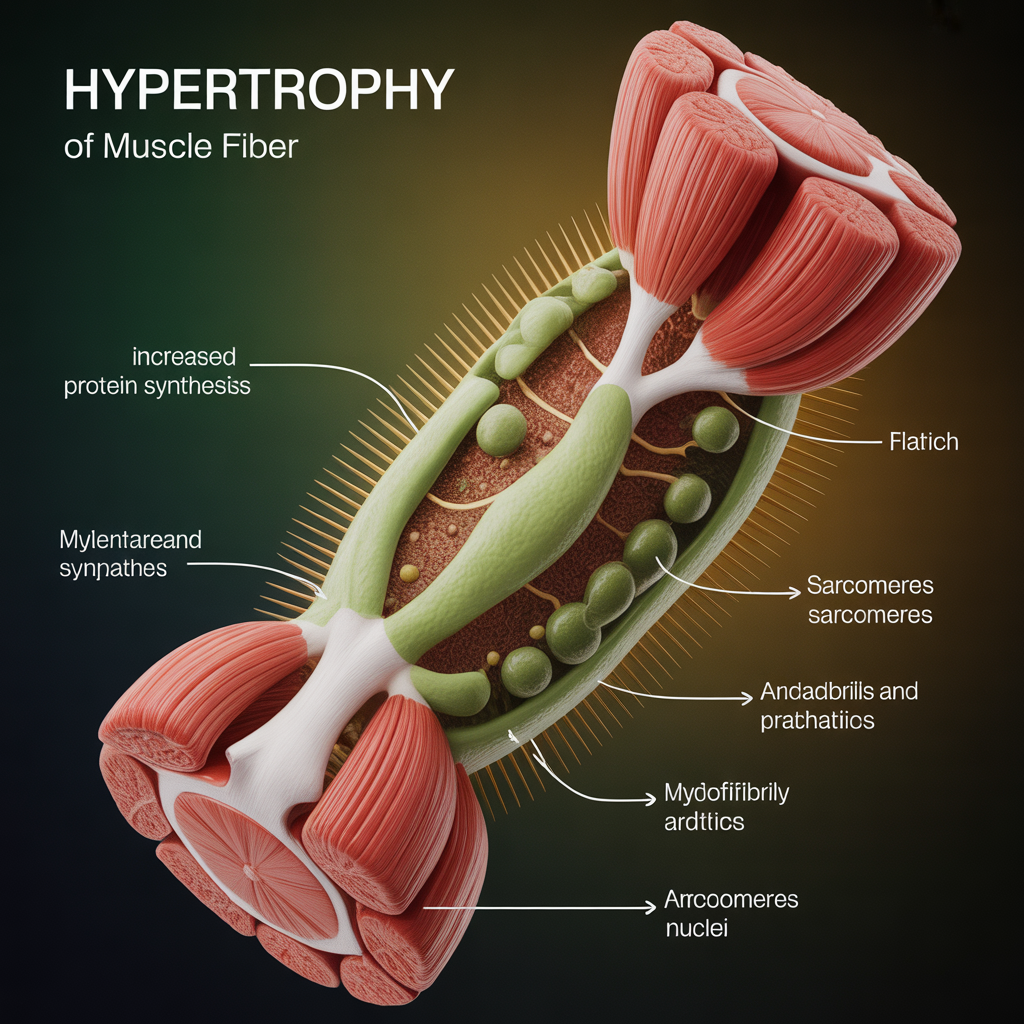
Knowledge without action is just entertainment. You now understand the science behind modern bodybuilding—the advanced training methods, the evidence-based nutrition strategies, and the critical importance of recovery. The question is: what will you do with this knowledge? The gap between where you are now and the physique you envision isn't bridged by information alone—it's bridged by consistent, intelligent action.
Visit Lift Vault for free, professionally designed workout spreadsheets including advanced 5-day splits, power building hybrids, and periodized strength programs. These templates have been used by thousands of lifters to transform their physiques.
Use apps like Boostcamp for customizable program tracking with built-in progression schemes, or RP Strength for AI-driven training and nutrition recommendations that adapt to your individual recovery capacity and goals.
Document your lifts, measurements, and progress photos every 4 weeks. What gets measured gets managed—tracking allows you to identify what's working and adjust what isn't.
Training 4 days per week consistently for a year will yield far better results than training 6 days per week sporadically. Show up, execute your program, and trust the process.
Use the 2-2-2 rule, track your volume, and implement deloads. Progressive overload applied intelligently is the difference between spinning your wheels and making steady gains.
Sleep 7-9 hours, hit your protein targets, manage life stress, and don't be afraid to take rest days. Your body grows outside the gym—give it what it needs to adapt.
Building an impressive physique is a marathon, not a sprint. The lifters who succeed aren't the ones with the most extreme programs or the most exotic supplements—they're the ones who show up consistently, train intelligently, recover adequately, and refuse to quit when progress slows. You have everything you need to begin: the knowledge, the resources, and the roadmap. The only question remaining is whether you're ready to put in the work.
Your transformation starts today. Download a program, prepare your meals for the week, commit to your sleep schedule, and take your first step toward the powerful, muscular physique you deserve. Remember: every champion was once a beginner who refused to quit. Be consistent. Be patient. Be relentless.
Apply these bariatric vitamins for women consistently, track your progress, and watch your physique transform. The science is clear, the methods are proven—now it's time to execute.